
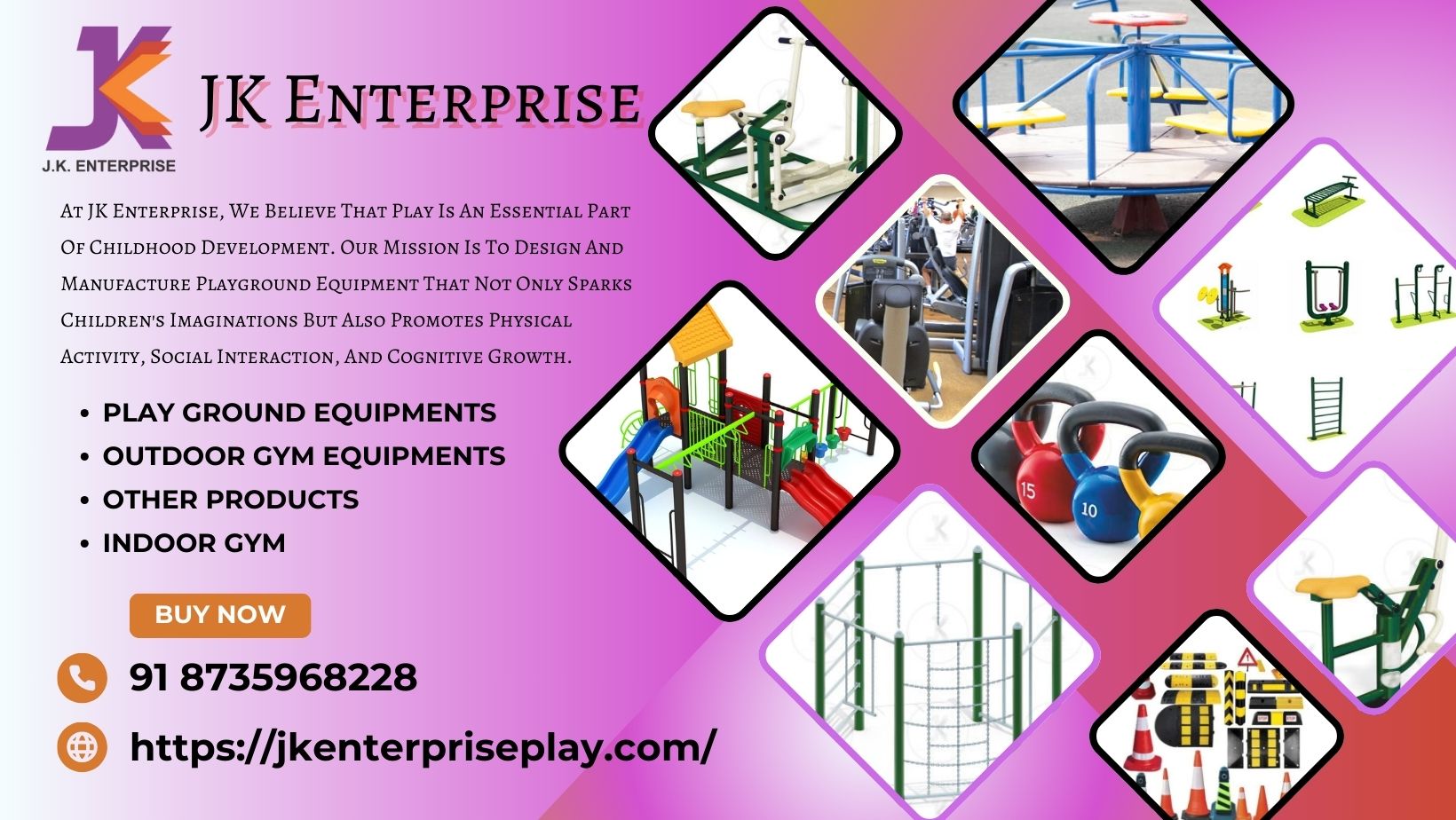
Professional Gym Equipment for Indoor Use
Introduction:
Indoor professional gym equipment refers to high-quality, durable, and performance-focused fitness machines and tools used in commercial gyms, health clubs, corporate fitness centers, hotels, and high-end home gyms. Unlike basic workout gear, these machines are designed for continuous usage, superior biomechanics, user safety, and long-term durability.
From treadmills and ellipticals to strength stations and functional trainers, this category covers cardio, resistance, and flexibility training tools, enabling users to engage in a full-body fitness regime in an indoor setting, regardless of climate or schedule.
How It’s Made:
-
Conceptual Design:
-
Developed by fitness engineers & biomechanics experts based on user ergonomics and performance efficiency.
-
-
Material Selection:
-
Uses high-tensile steel frames, aluminum alloys, and heavy-duty cables, often powder-coated or chrome-finished for anti-rust performance.
-
-
Mechanical Assembly:
-
Integrated with precision bearings, belt systems, adjustable arms, counterbalance weights, and pulleys for smooth motion.
-
-
Digital Integration:
-
Equipped with digital consoles, heart rate sensors, smartphone compatibility, and cloud-based performance tracking in advanced models.
-
-
Testing:
-
Undergoes load testing, motion analysis, safety checks, and ISO/CE certification validation before dispatch.
-
Where It’s Used:
-
Commercial Fitness Studios & Chain Gyms
-
Hotels & Resorts Fitness Rooms
-
Luxury Home Gyms
-
Physiotherapy & Rehab Centers
-
Schools & College Gymnasiums
Key Features:
-
Heavy-Duty Frame (150–300 kg+ load capacity)
-
Smooth, Noise-Free Movement
-
Smart Console with Workout Programs
-
Ergonomic Seat & Grip Design
-
Safety Locks, Anti-Slip Platforms
-
Digital Time, Speed, Distance, Calories Tracking
-
Multimedia Compatibility (in cardio units)
Importance:
Professional indoor gym equipment helps create controlled, year-round fitness environments. It allows people of all ages and fitness levels to train effectively, safely, and consistently without reliance on weather or outdoor space.
These machines are scientifically calibrated, reducing injury risks while promoting body symmetry, endurance, strength, and flexibility.
Advantages:
-
Engineered for Long-Term Heavy Use
-
Adjustable for All Body Types and Workout Levels
-
Quiet Operation — Ideal for Indoor Environments
-
Reduces Joint Stress and Posture Errors
-
Low Maintenance, High Durability
-
Smart Connectivity Features (Wi-Fi, Apps, etc.)
Significance:
Professional gym equipment not only supports health-conscious individuals but also drives membership retention in fitness centers and boosts productivity in workplace wellness programs. It reflects a commitment to modern lifestyle standards and public well-being, making it an asset for any institution that promotes fitness.
FAQs:
1. What qualifies as professional gym equipment?
Professional gym equipment includes commercial-grade fitness machines like treadmills, leg press machines, lat pull-downs, cable crossovers, and rowing machines. These are built for durability, intensive use, and offer precise biomechanical movement paths suitable for athletes and regular users.
2. Is there a difference between home and commercial equipment?
Yes. Commercial gym equipment is made for heavy daily usage, comes with stronger frames, higher warranties, and enhanced adjustability. Home gym machines are typically lighter and intended for occasional or single-user use.
3. Which materials are best in indoor gym equipment?
Powder-coated mild steel, chrome-plated shafts, PU foam pads, rubber grips, and nylon-coated steel cables are used for longevity, safety, and aesthetics.
4. Are cardio and strength machines both necessary?
Yes. A balanced gym setup includes cardio machines (like treadmills and bikes) for heart health and strength machines (like leg curls, chest press, etc.) for muscular development, making it ideal for full-body training.
5. Can professional machines be used in home gyms?
Absolutely. If you have space and budget, professional-grade machines offer better performance, less maintenance, and smoother movement compared to home-use equipment.
6. What maintenance is required for such machines?
Regular lubrication of moving parts, checking belts and cables, cleaning sensors and screens, and tightening nuts/bolts is sufficient. Most brands provide annual maintenance contracts (AMCs).
7. Do machines support digital tracking and training?
Yes. Many modern machines offer Bluetooth/Wi-Fi connectivity, touchscreens, and fitness app integration for goal setting, tracking, and virtual coaching.
8. How long does professional gym equipment last?
With routine maintenance, these machines easily last 10–15 years or longer, especially brands that offer spare parts and service support.
9. How to choose the right equipment mix for a gym?
Based on your user base and space:
-
40% Cardio Equipment
-
40% Strength Machines
-
10% Free Weights
-
10% Flexibility/Functional Trainers
A professional consultant or supplier can help with layout and selection.
10. Is financing or leasing available for gym setups?
Yes. Many Indian and international manufacturers provide EMI-based buying, leasing options, or fitness franchise tie-ups, making it easier to establish a fully-equipped gym.
Conclusion:
Investing in professional gym equipment for indoor use is not just about fitness; it’s about building a healthier, high-performance lifestyle space. Whether you're starting a commercial gym or upgrading a hotel or corporate facility, these machines offer: